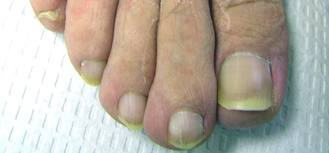
- Nail fungus is a common and often stubborn condition that affects both fingernails and toenails. Medically known as onychomycosis, nail fungus usually begins as a small white or yellow spot under the tip of the nail. As the infection progresses deeper into the nail, it can cause discoloration, thickening, and crumbling along the nail edge.
While nail fungus often affects toenails more frequently than fingernails, it can involve one or multiple nails, though typically not all at once. Left untreated, nail fungus may worsen over time, become painful, and interfere with daily activities such as walking, exercising, or wearing shoes comfortably.
At Pariser Dermatology Specialists, our board-certified dermatologists diagnose and treat nail fungus using evidence-based medical therapies tailored to each patient’s needs. With locations throughout Virginia, our team provides expert care for patients seeking relief from persistent nail infections.
What Causes Nail Fungus?
Nail fungus is caused by various fungal organisms, most commonly dermatophytes, but yeasts and molds can also be responsible. These organisms thrive in warm, moist environments, making toenails particularly susceptible.
When fungus infects the skin between the toes or the soles of the feet, the condition is called athlete’s foot (tinea pedis). This infection can spread to the toenails if not treated promptly, increasing the risk of developing nail fungus.
Common risk factors include:
- Wearing tight or non-breathable footwear
- Walking barefoot in public places such as locker rooms or pools
- Repeated nail trauma
- Aging, which slows nail growth and circulation
- Diabetes or conditions affecting the immune system
- A history of athlete’s foot
Signs and Symptoms of Nail Fungus
Nail fungus may look different depending on the severity and duration of the infection. Symptoms can include:
- White, yellow, or brown discoloration
- Thickened or distorted nails
- Brittle, crumbly, or ragged nail edges
- Nails separating from the nail bed
- Pain or discomfort, especially when pressure is applied
Mild cases may be mostly cosmetic and not bothersome, but more advanced infections can cause pain and difficulty with nail care.
Do You Need Treatment for Nail Fungus?
If your nail fungus is mild and not causing discomfort, treatment may not be immediately necessary. However, nail fungus does not typically resolve on its own and often worsens over time. Many patients seek treatment when nails become painful, thickened, or difficult to trim.
Even when treatment is successful, nail fungus has a high recurrence rate, which is why professional evaluation and ongoing management are important. At Pariser Dermatology Specialists, we help patients understand their treatment options and set realistic expectations.
Nail Fungus Treatment Options
If self-care measures or over-the-counter products have not improved your symptoms, your dermatologist may recommend prescription treatments or procedures. Treatment plans are individualized based on the severity of the infection, the number of nails involved, and your overall health.
Oral Antifungal Medications
Prescription oral antifungal drugs are often the most effective treatment for nail fungus. The most commonly prescribed medications include:
- Terbinafine (Lamisil)
- Itraconazole (Sporanox)
These medications work by helping new, healthy nail grow while gradually replacing the infected portion. Treatment typically lasts six to twelve weeks, but visible improvement takes longer because nails grow slowly. It may take four months or more to see the full results, especially for toenails.
Studies show treatment success rates may be lower in adults over age 65, but outcomes can improve when oral medications are combined with topical therapies.
Oral antifungal medications may cause side effects, ranging from skin rashes to liver complications. Because of this, your dermatologist may recommend blood tests to monitor liver function during treatment. These medications are not suitable for everyone, particularly patients with liver disease, congestive heart failure, or those taking certain medications.
Medicated Nail Polish
Your dermatologist may prescribe an antifungal nail polish such as ciclopirox (Penlac). This medication is applied daily to the infected nails and surrounding skin. After seven days, the built-up layers are removed with alcohol before restarting the application cycle.
Treatment with medicated nail polish often lasts up to one year and may be most effective in mild to moderate cases or when used alongside oral therapy.
Medicated Nail Creams
Antifungal creams may be prescribed and applied to the nails after soaking. These treatments are more effective when the nail surface is thinned to allow better penetration.
Nail thinning may be done using:
- An over-the-counter lotion containing urea
- Professional debridement performed by your dermatologist
Why Choose Pariser Dermatology Specialists?
Pariser Dermatology Specialists has been providing trusted dermatologic care for patients across Virginia for decades. Our experienced dermatologists understand how frustrating nail fungus can be and offer personalized treatment plans based on current medical research.
Patients choose Pariser because we offer:
- Board-certified dermatologists
- Comprehensive diagnostic evaluations
- Evidence-based treatment options
- Careful monitoring for safety and effectiveness
- Convenient locations throughout Virginia
Whether your nail fungus is mild or severe, our team can help you explore treatment options and manage recurrence.
Schedule an Appointment for Nail Fungus Treatment
If you are concerned about nail fungus or have not seen improvement with over-the-counter products, professional evaluation can make a difference. Early treatment may help prevent further nail damage and discomfort.
Call Pariser Dermatology Specialists at 757-622-6315 or tap here to schedule an appointment at one of our 7 office locations in Hampton Roads. Our team is here to help you restore healthier nails and develop a treatment plan that works for you.